







Overview
Where the Ganga is Born: The Gaumukh Tapovan Trek
Gomukh literally means “Cow’s Mouth” (go/gau = cow, mukh = mouth), named because of the shape of the ice cave. This idea stems from ancient Vedic texts like the Rig Veda, where mountain streams breaking free from melting ice were poetically compared to mother cows running out of a pen to nourish their calves with milk.
In Hindu tradition and literature, Gomukh is described as the location for the Avatarana (Divine Descent) of the Ganges on earth. According to Vedic literature e.g. the Ramayana and Puranas, the river originally flowed through the heavens as a celestial waterway. King Bhagiratha performed intense austerities (tapas) in the Himalayas to bring the river to earth so that she could redeem the ashes of the incinerated sons of King Sagara. To prevent the force of the fall from shattering earth, Lord Shiva caught the river in his matted locks (Jata), dampening her force before letting her flow out from the glacier snout – Gomukh
Highlights
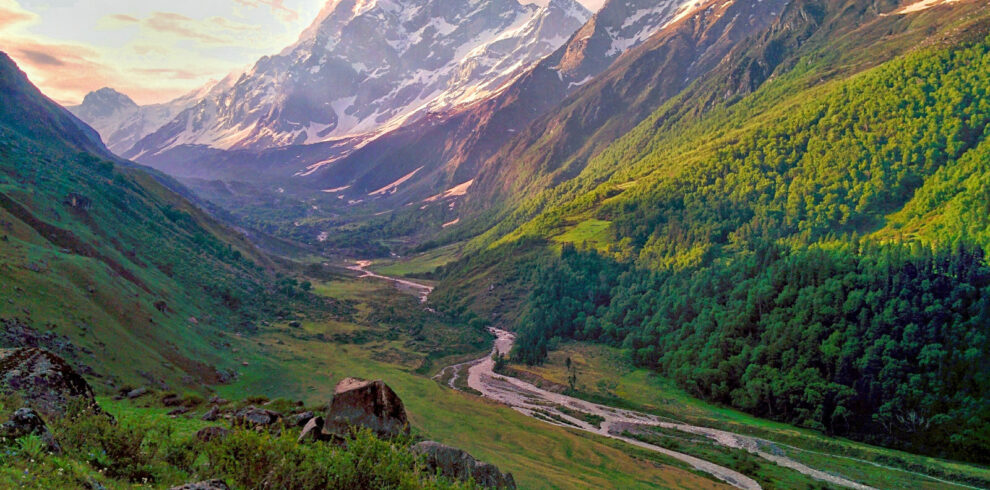
- Gangotri Starting Point: At 10,000 ft, Gangotri serves as a high-altitude starting point featuring the Bhagirathi River and the marble-white Gangotri Temple.
- Gaumukh Glacier Snout: The glacier snout acts as the official origin of the Bhagirathi (River Ganga), featuring a ten-story-high wall of glacial ice where blocks crack and calve into the roaring river below.
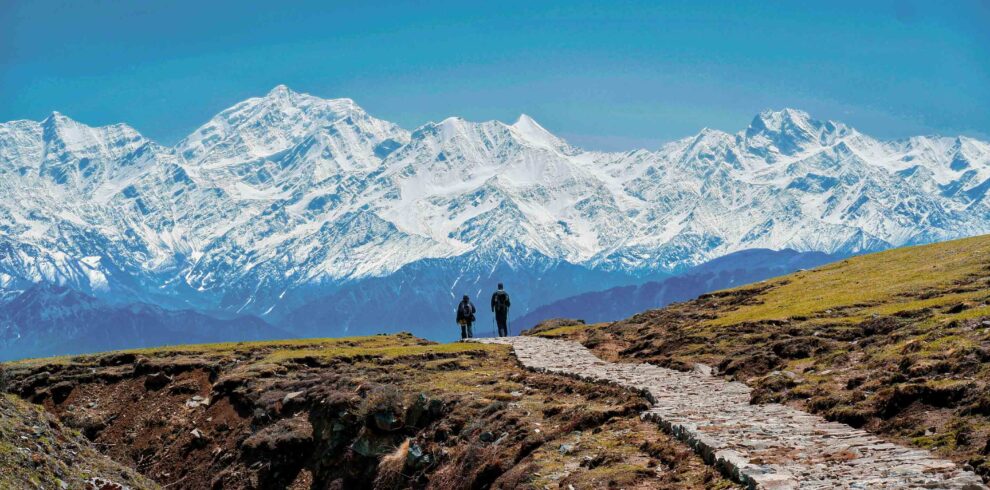
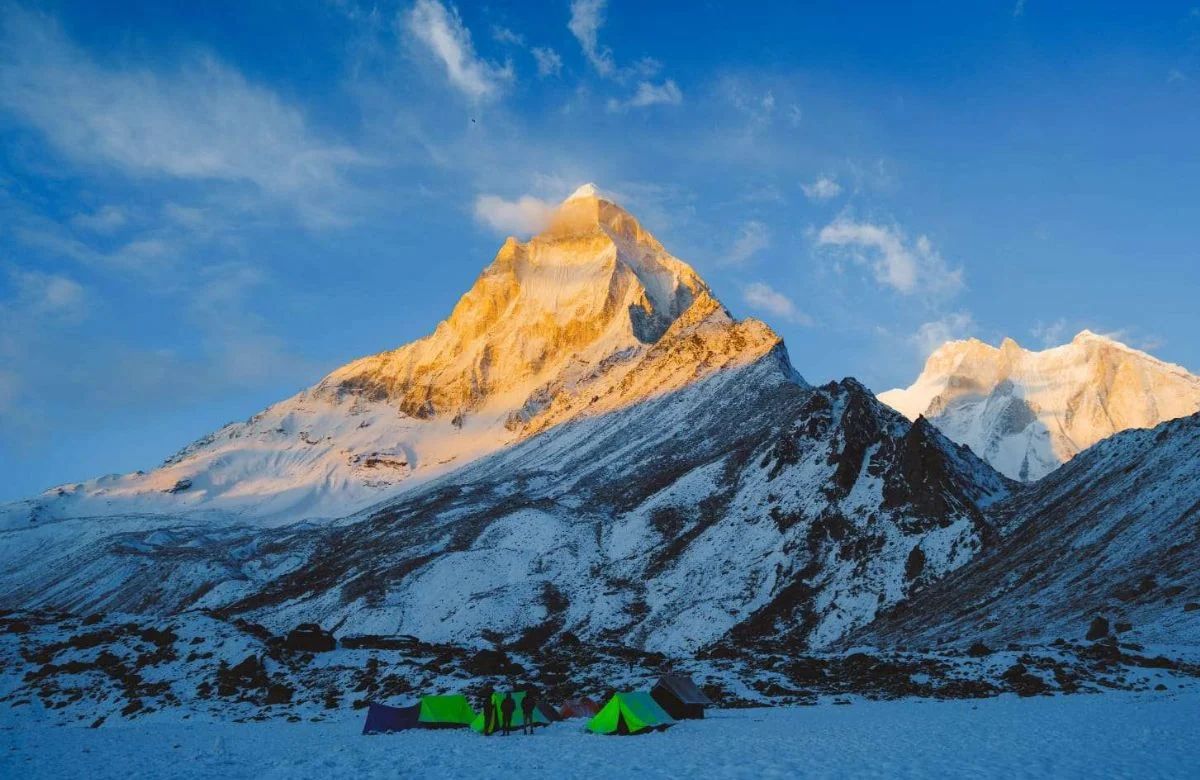
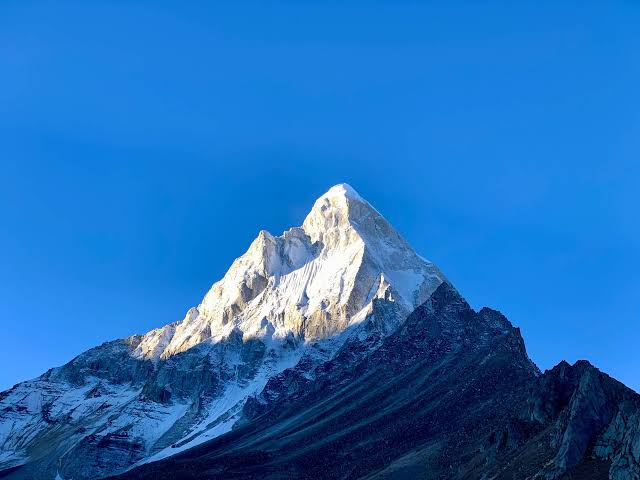
- Base-to-Summit View of Mt. Shivling: Tapovan offers an unobstructed view of Mt. Shivling from its base all the way to its summit.
- Alpenglow on Bhagirathi Sisters: High-altitude views of the Bhagirathi massif turning golden-orange during sunset.